Itapebi is a town in Bahia, crossed by the BR-101 highway, where a hydroelectric plant stands over the Jequitinhonha River. It was a late afternoon in the summer of January 2018 and, after lunch, the streets were empty, with few or no residents around. Amid this landscape that seemed frozen in time, with townhouses typical of the Bahian hinterland, their façades pressed against the sidewalks and topped with parapets, I felt as if I were in a ghost town.
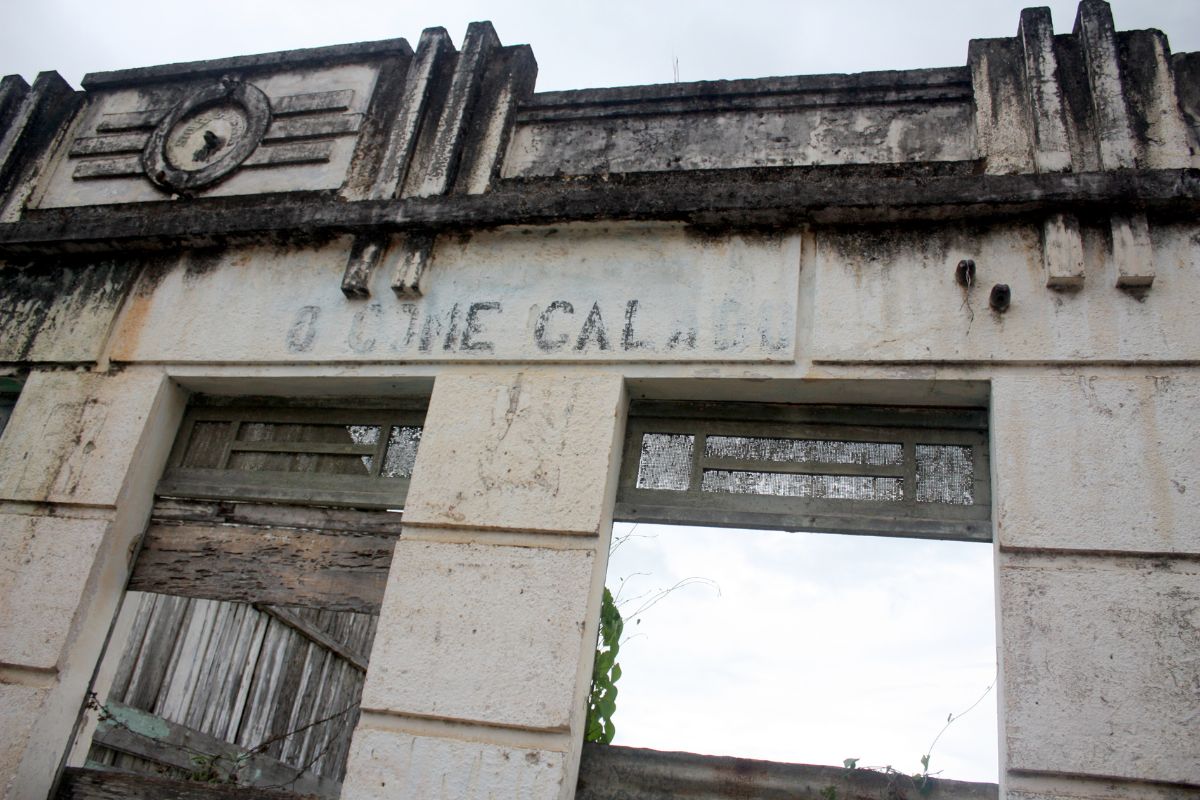
"O Come Calado" - Itapebi, Bahia. Photo: Clara Izabela
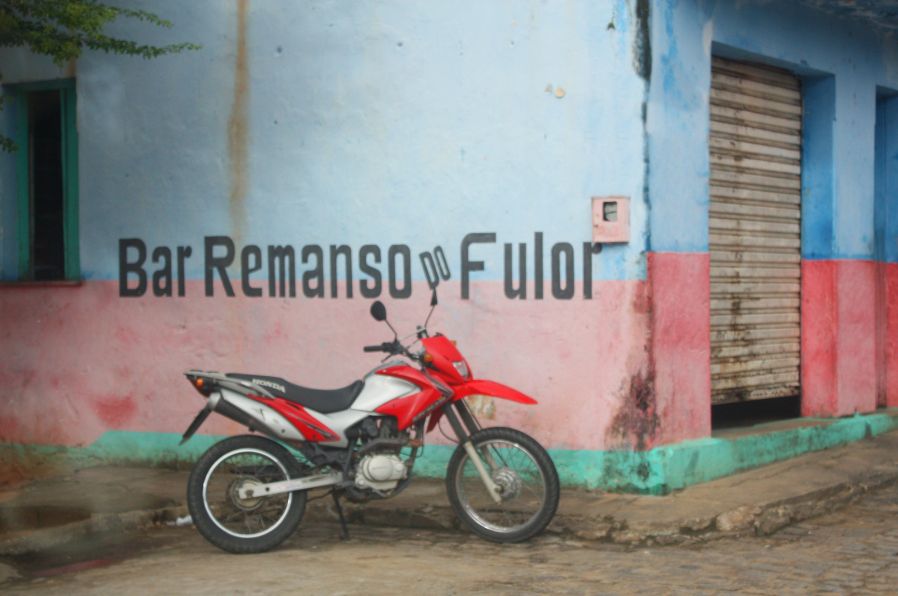
"Bar no Remanso do Fulor"- Itapebi, Bahia. Photo: Clara Izabela
There was a worn painting on the façade of a crumbling townhouse that read “O Come Calado.” There was also a bar with a hand-painted sign on its façade that read Remanso do Fulor. It was 2018 and, at the time, without quite knowing why or having a specific purpose, I was already taking photos of façades with hand-painted lettering. My reasons were not very clear to me. In Itapebi, I was drawn to the poetic quality of names like Come Calado or Bar Remanso do Fulor, but not only that. Sometimes, certain things cross our path and catch our attention, and you don’t even know why.
The project began with my photographs on Instagram, but, like a secret society, other people who were also drawn to this kind of art quickly began to appear. I didn’t know anything about popular painting or Brazilian vernacular painting. Through the project, I came across similar initiatives across Latin America, such as
@lamorelupita, documenting the paintings of Madre Lupita, and
@graficapopularmexicana, both from Mexico;
@identicacr, focused on Costa Rica’s graphic memory;
@elflowtropical, documenting Dominican popular painting;
@loque_es, centered on popular painting in El Salvador;
@letracalle, a graphic archive from Guatemala; and
@handpaintedcolombia, featuring photographic records from Colombia.
In Brazil, there are projects like
@letrasqflutuam, dedicated to researching, mapping, and sharing the work of boat lettering painters in the Amazon;
@pinturadecaminhao, which studies decorative linework and painting on Brazilian truck bodies; and
@pintoresdeletras, focused on painters and sign painting in Santa Catarina. Beyond these initiatives, there is also a wide range of travelers, teachers, sign painters, researchers, photographers, and artists engaged with this field.
I came to realize two things: there was a certain mockery, especially from followers in Brazil’s Southeast, toward these paintings, often labeled as “crude,” “poorly painted,” or “improvised.” I also noticed that many of these works were being erased. Façades get replaced, businesses change, and the growing presence of computers and printed banners in small shops gradually replaces hand-painted signage, and these two dynamics are connected. Computers and the aesthetic standardization brought by digitally produced banners go hand in hand with ideas of progress and modernization, and, in turn, with the replacement of older visual languages by something new.
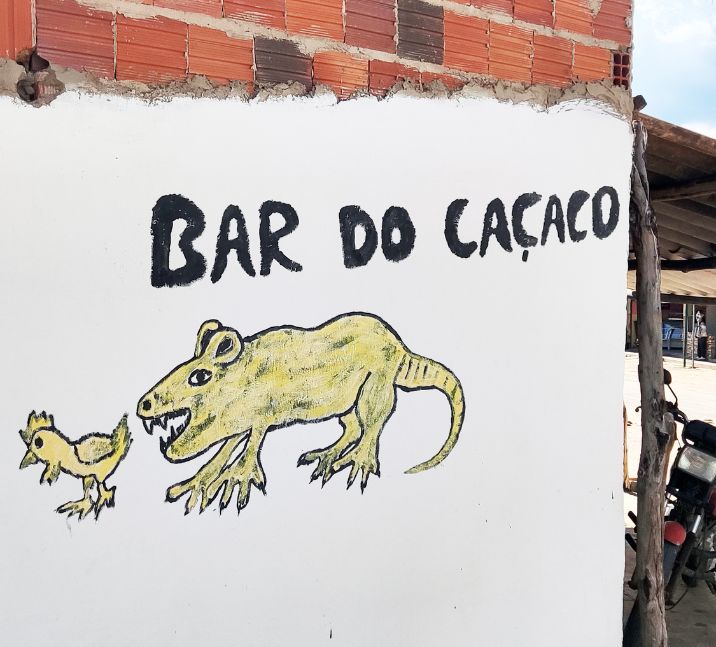
"Bar do Caçaco" - Exu, Pernambuco. Photo: Tâmara Lacerda Fidelis
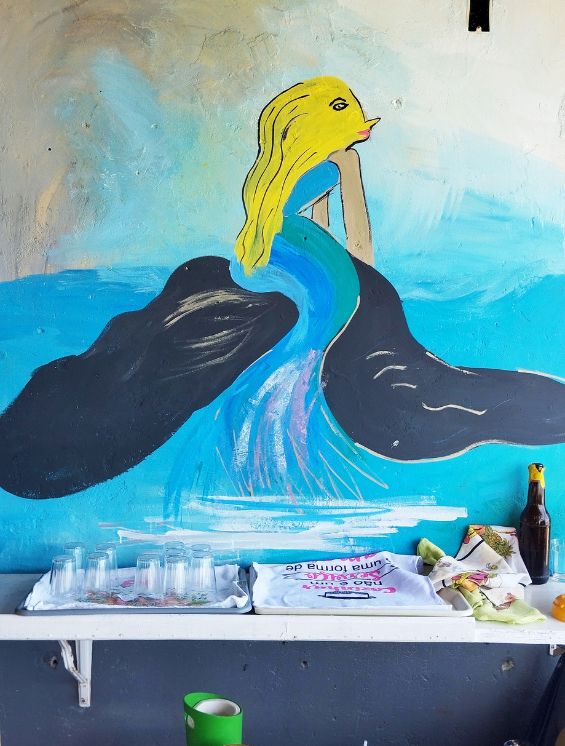
"Sereia" - Alcobaça, Bahia. Photo: Paulo Henrique Tarlé
On the other hand, many followers commented that they loved seeing their towns mentioned in the posts, that they recognized the paintings and sometimes even felt nostalgic about them, since they had been there for so long, along the route to school, in front of an aunt’s house, or at the neighborhood bar. Beyond their obvious communicative function, these paintings also express a fragment of where we come from and, perhaps, where we should return. These works are spread all across Brazil. The range of purposes, themes, styles, and color palettes found on every corner of the country is endless. They are part of our visual repertoire and embedded in our everyday life; we recognize ourselves in them.
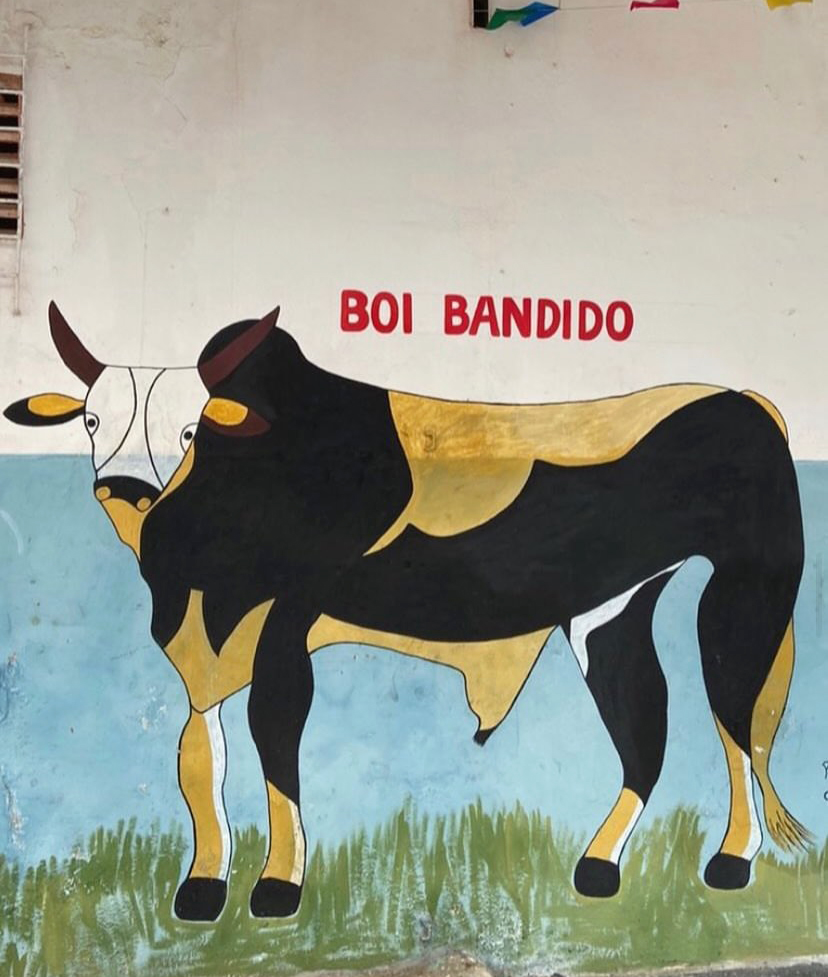
"Boi Bandido" - Condado, Pernambuco. Photo: Hugo Muniz
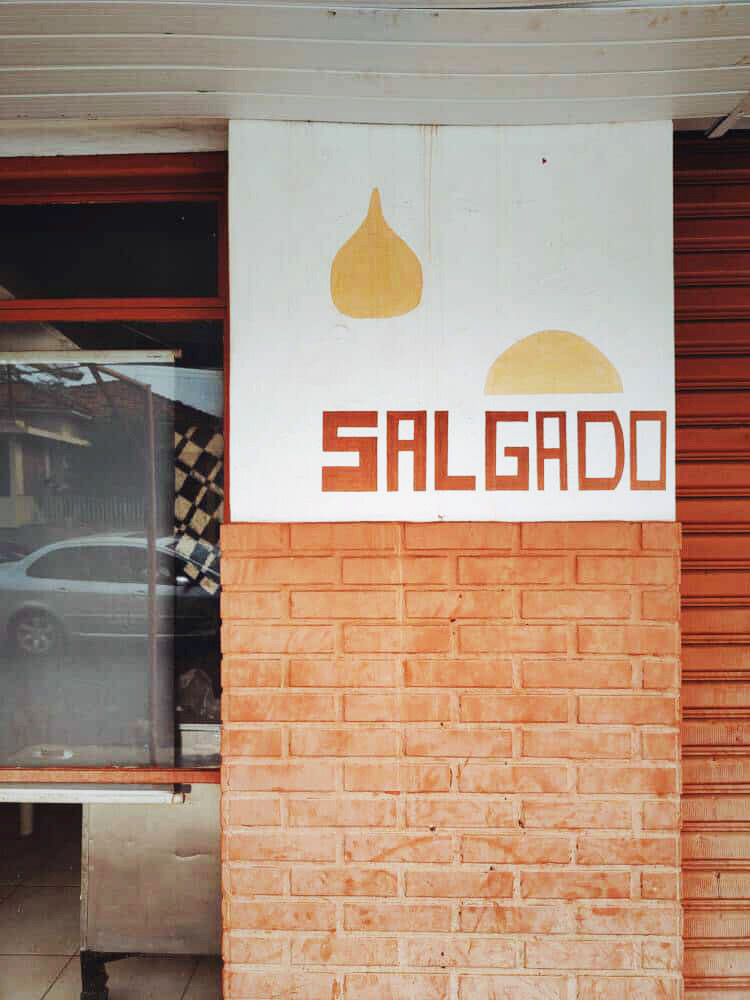
"Salgado" - Barra Bonita, SP. Photo: Dalmo Hernandes
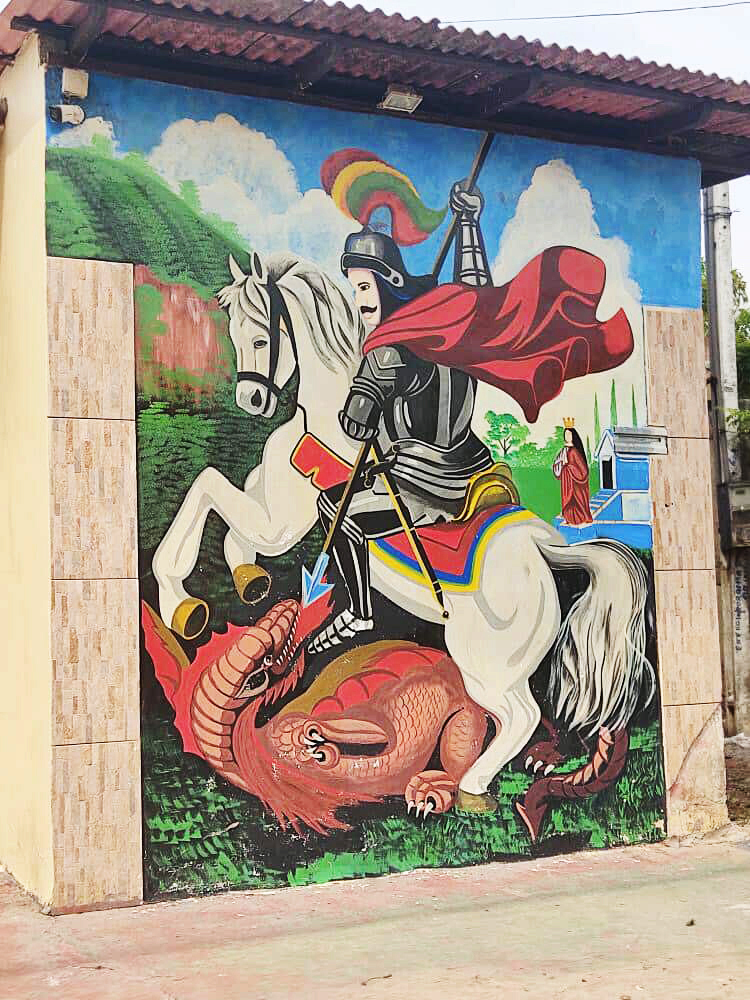
"São Jorge" - Boa Vista, Roraima. Photo: Otacília Carolina Gomes Brito
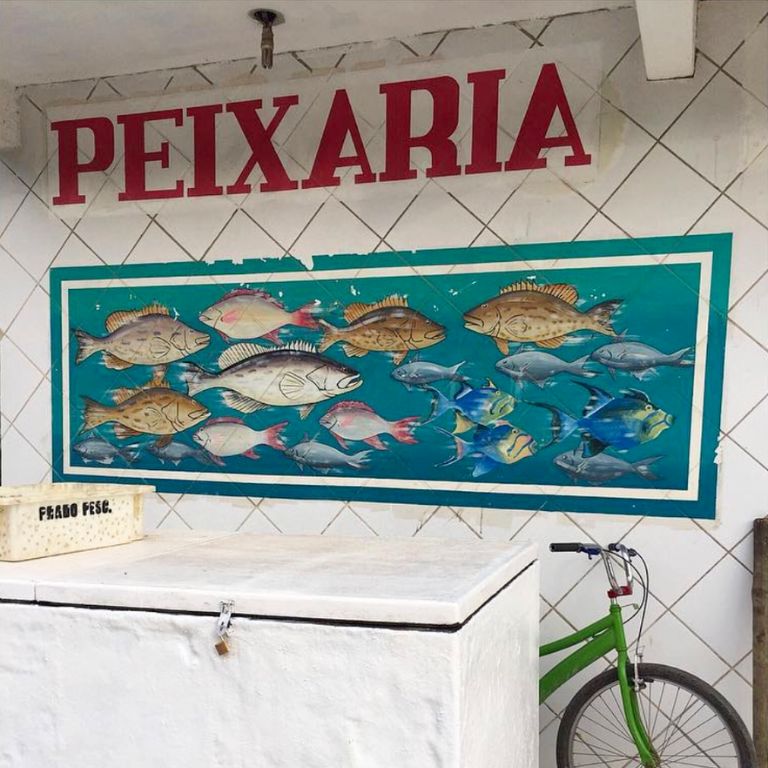
"Peixaria" - Cumuruxatiba, Bahia. Photo: Gabriela Nassar
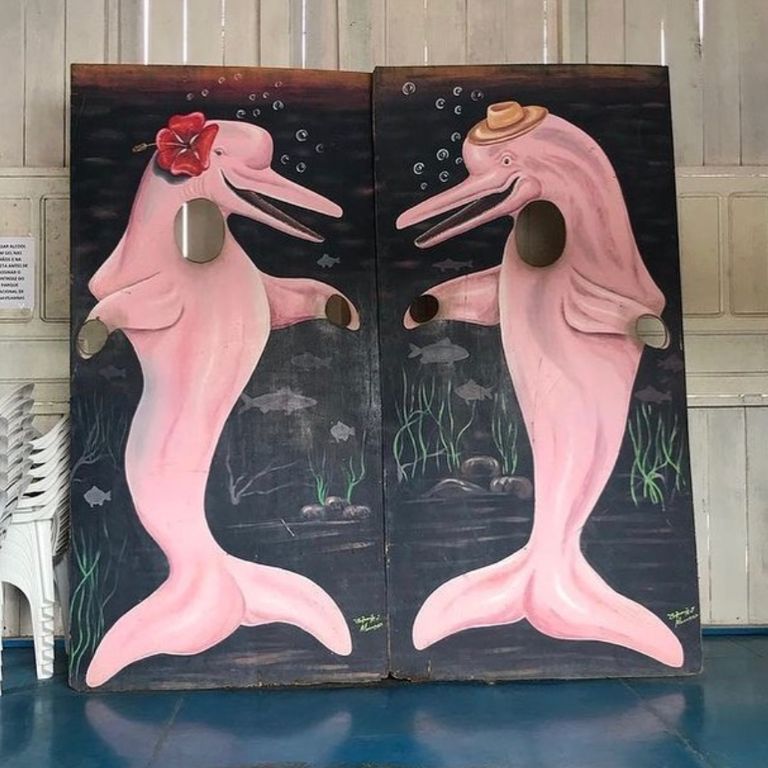
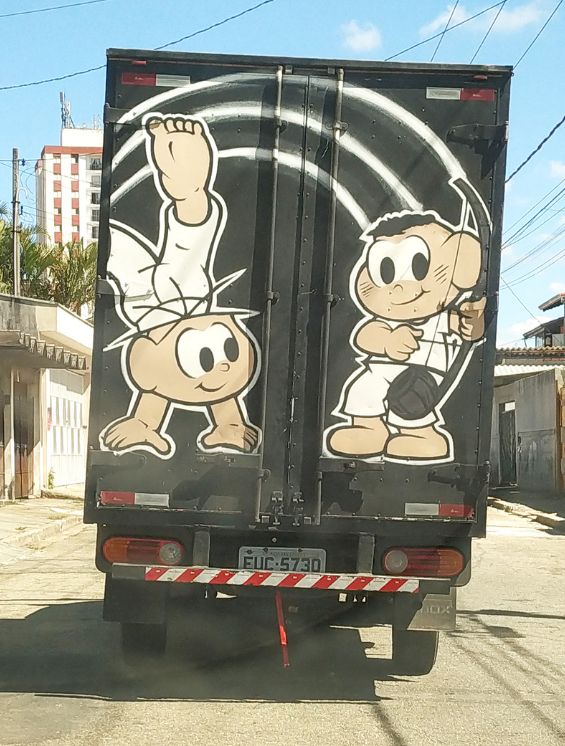
In Amazonian riverside regions, the figure of the pink river dolphin is common; in coastal towns, fish and themes related to fishing appear frequently; in São Paulo, there is a strong influence of graffiti and many paintings made with airbrush, where cars are a recurring subject. In Mato Grosso do Sul and Mato Grosso, there are many depictions of jaguars, caimans, and snakes. Across the entire country, paintings and reinterpretations of American cartoon characters and Turma da Mônica are also present.
"Botos"- Rio Negro, Amazonas. Photo: Vicky Garaventa
"Cebolinha e Cascão Capoeiristas" - Mogi das Cruzes, SP. Photo: Ricardo Braghetto
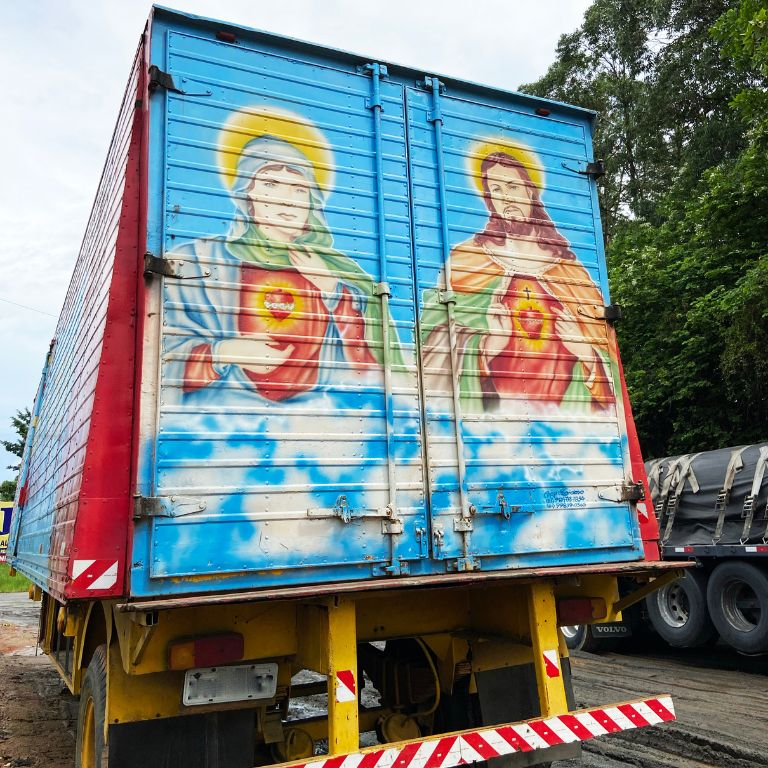
Paintings on bars, which usually carry the owner’s name or nickname or some humorous theme, are also present across all regions, as are sacred paintings, found mainly, though not exclusively, on houses and vehicles: Jesus Christ on the back of trucks, images from Umbanda and Candomblé, as well as Catholic saints like Nossa Senhora Aparecida appearing at the entrance of some homes. From these themes, it is possible to find wonderful and highly particular works, truly beautiful, such as a minimalist painting of a snack represented as a half circle, or dreamlike images like a mermaid with a bird’s head.
"Jesus e Maria no Caminhão" - Guarapari, ES. Photo: Franco Nespoli
"Jesus" - Mazagão Velho, Amapá. Photo: Bruno Araújo
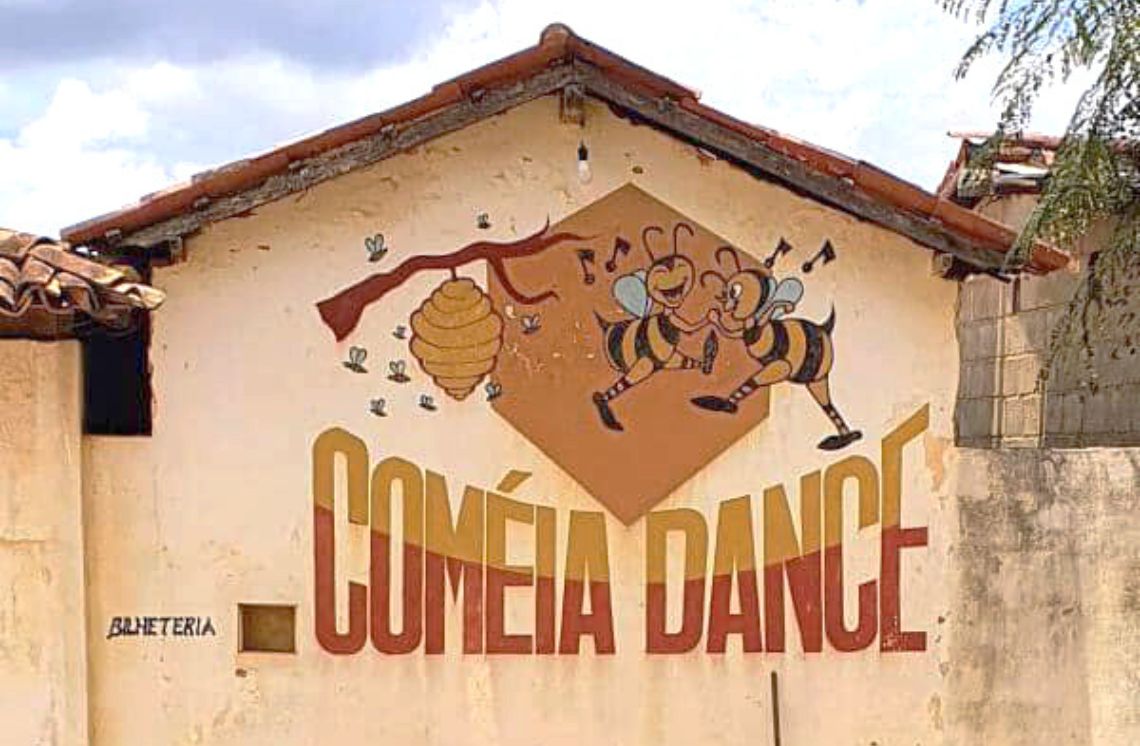
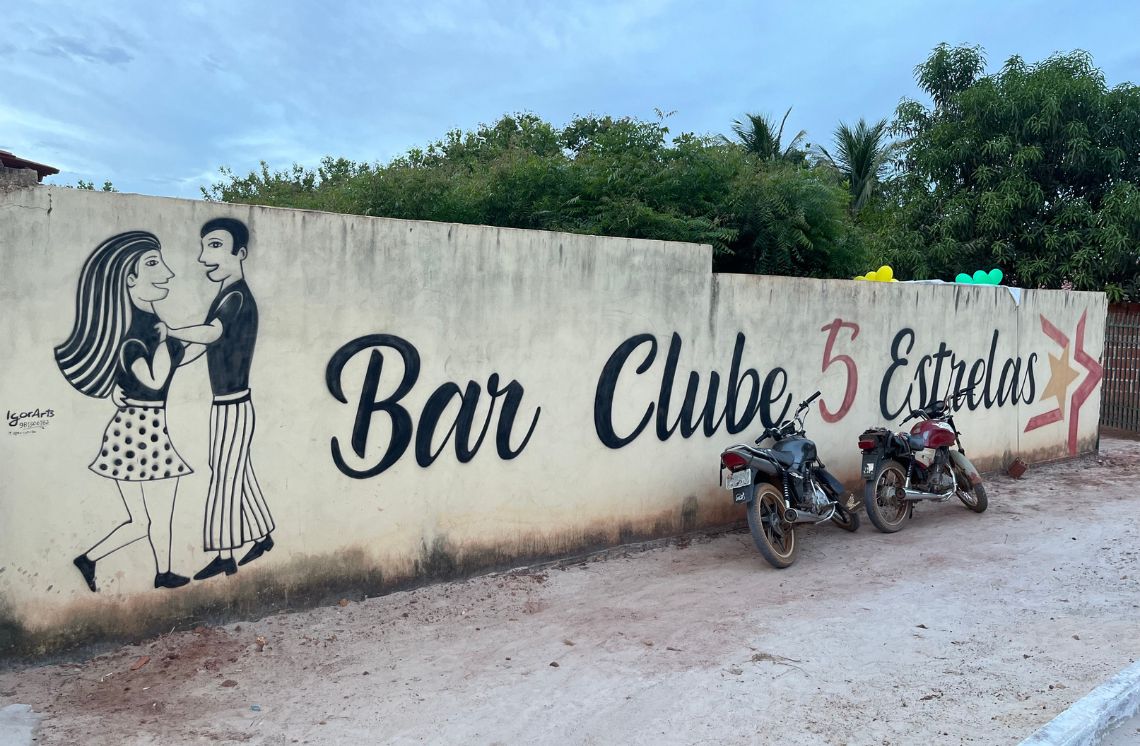
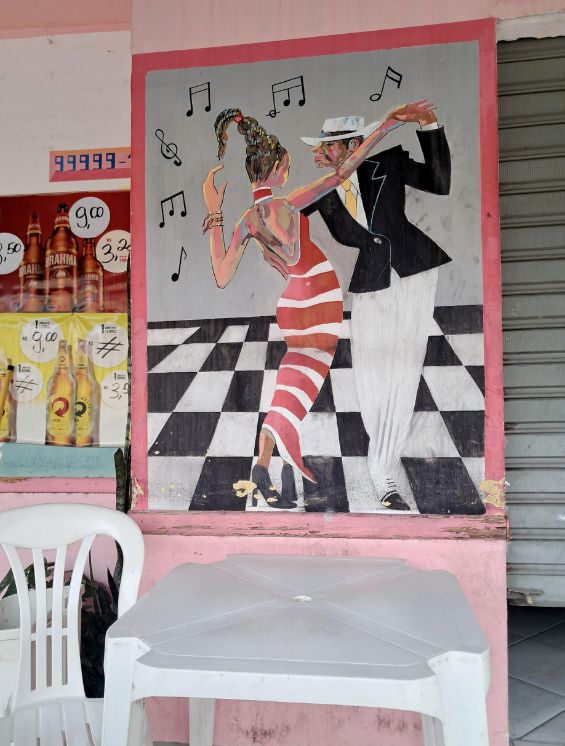
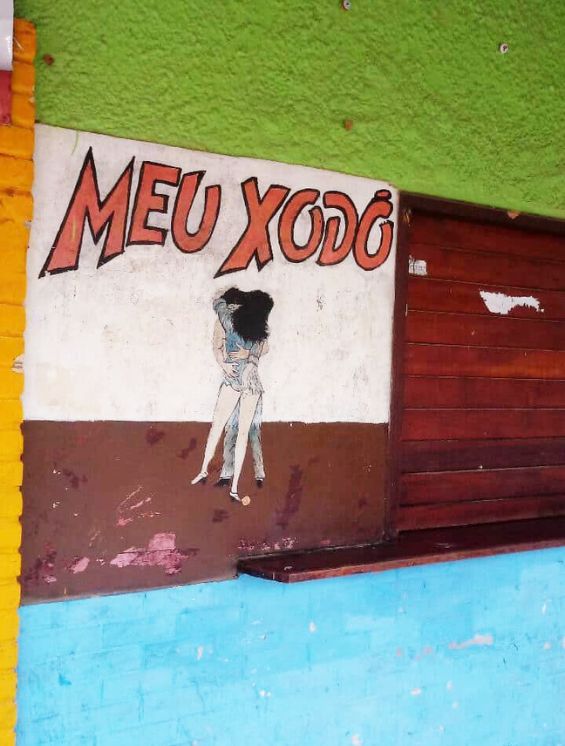
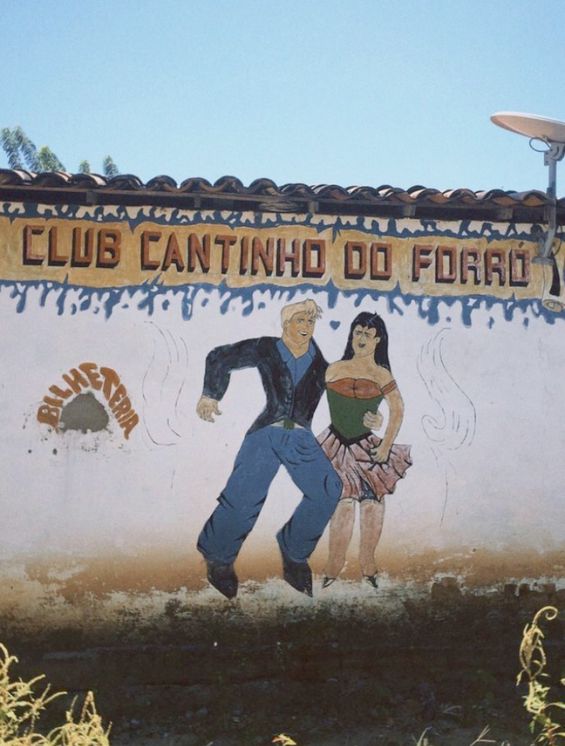
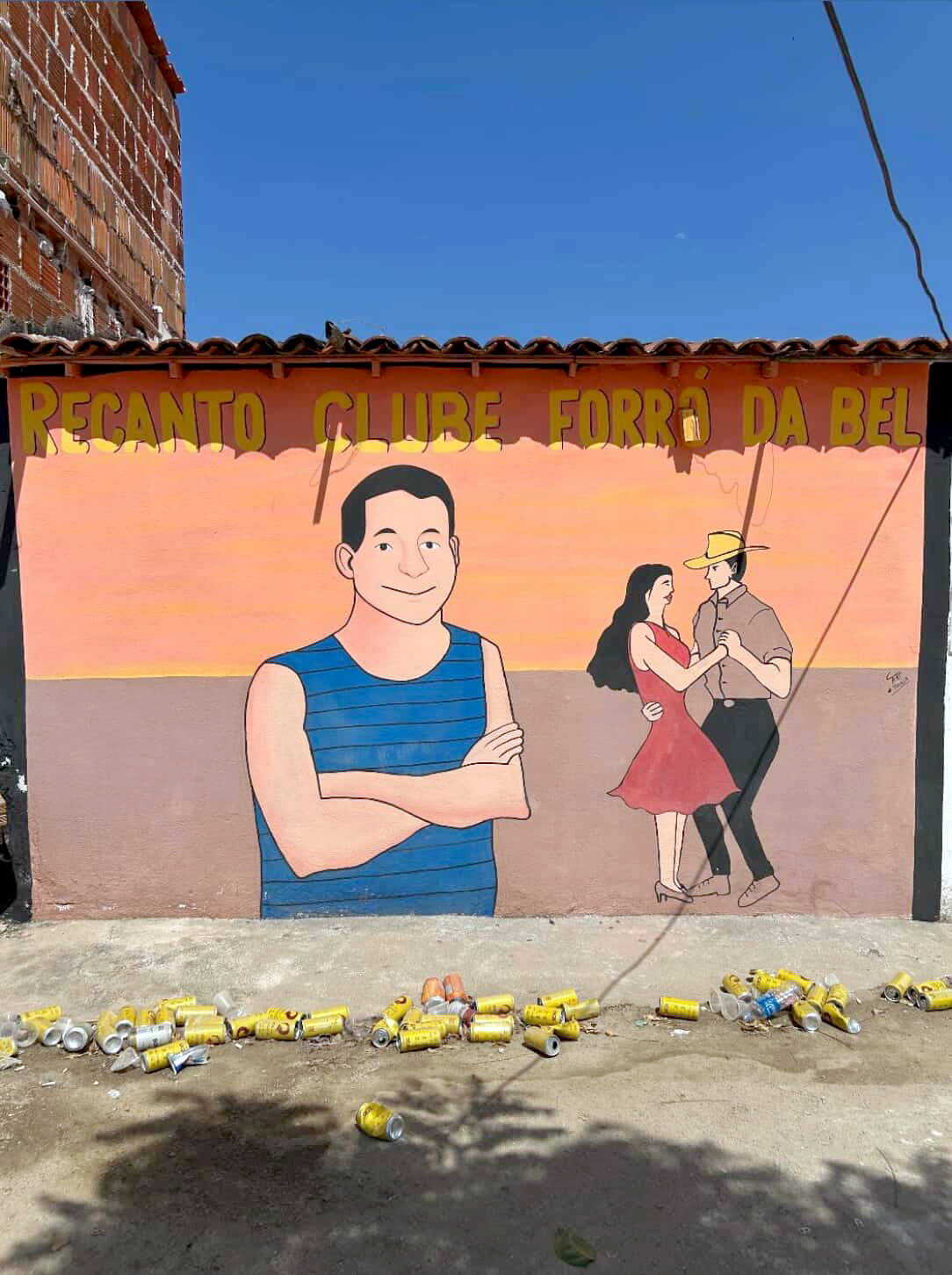
One of my favorite painting themes is music clubs, dance halls, and party venues. I’m fascinated by them. Perhaps because these paintings are, for the most part, highly original: even when they depict people or other dancing elements, they experiment with composition and color, and don’t follow a fixed pattern, as is often the case with bar or liquor store façades, for example.
What fascinates me most is precisely this theme I’ve nicknamed “dancing”: figures, objects, or even fruits in motion, dancing. The lines themselves carry movement, and the faces express joy and togetherness. I like to imagine these places as spaces dedicated purely to dancing, dance houses, as I call them. Small temples for enjoyment, for listening to music and moving, for dancing and, perhaps, forgetting everything else for a while, like what you had for lunch or some difficulty at work.
I want to visit all these places, to encounter all these vast dance floors scattered across Brazil. I’ll ask for entry through the small opening in the ticket booth and step into these spaces of gathering, joy, and forgetting.
"Bar Clube 5 Estrelas" - Cabeceiras do Piauí. Photo: Felipe Soares
"Bar da Paulinha" - Serra, ES. Photo: Bianca Rodrigues
"Meu Xodó" - Canoa Quebrada, Ceará. Photo: Cristiano Câmara
"Cantinho do Forró" - Trairi, Ceará. Photo: Jamille Queiroz
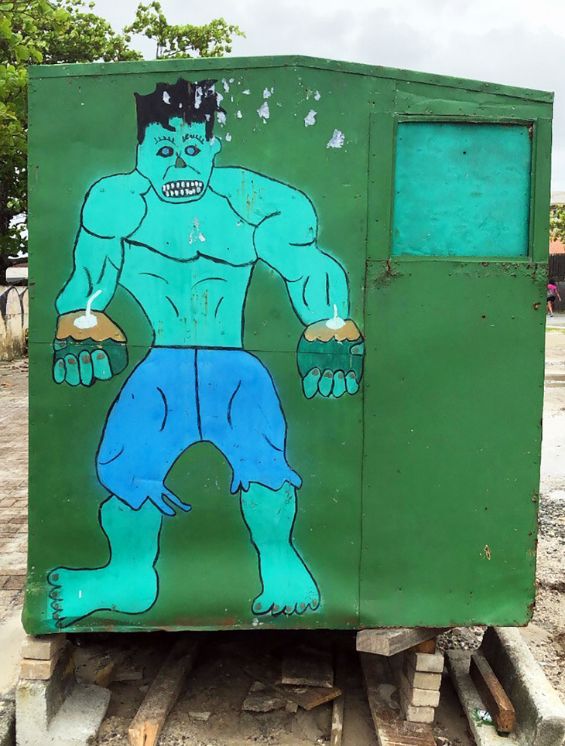
When an artist paints the character Hulk holding a green coconut at a coconut stand in Guaratuba, Paraná, we can recognize ourselves in it, even if only a little. I find these reinterpretations of characters wonderful for that reason. Amid the bombardment and invasion of American culture into the imaginaries shaped by cinema and television, having a Hulk adapted to Brazilian climate and customs is such a subversive form of cultural appropriation that it reveals far more about us than any, often elitist, judgment about whether the Hulk is painted “correctly” or not.
"Hulk" - Guaratuba, Paraná. Photo: Rodrigo Ponce
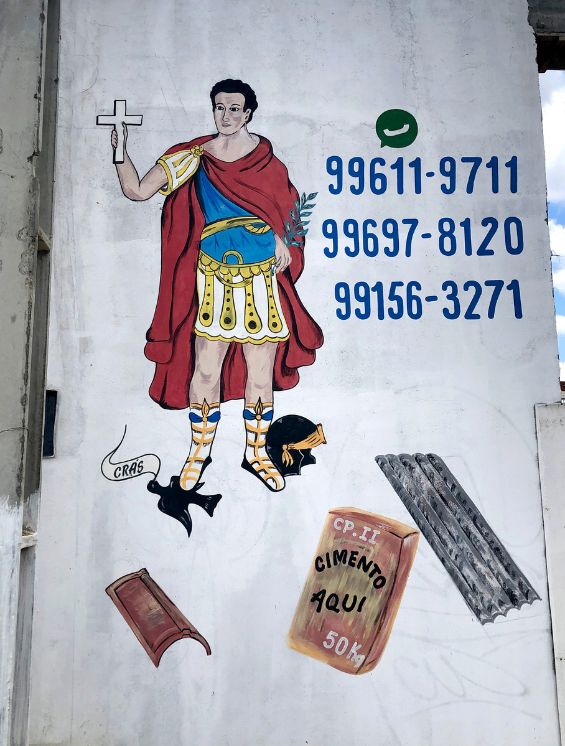
"Santo" - Bezerros, Pernambuco. Photo: Andre Cast
We still have these paintings in abundance; they remain a popular and artistic expression deeply present in the Brazilian landscape. They are part of the country’s cultural production, and we recognize ourselves in them. In the article
“The Importance of Open Chests in Our Affective Memory,” Gilberto Gil writes:
“(...) This subject evokes the verses of an old song: ‘So much longing preserved in an old silver chest within me / I say an old silver chest because silver is the light of the moon.’ It speaks of a time of return to Brazil and a time of exile, and of the affective memory preserved in an old silver chest. This chest is like a personal museum, the museum we all carry, made of memories, trinkets, and reminiscences that feed our present. Like all personal museums, the one in the song holds ‘something’ that goes beyond the ‘self.’ There is a moment and a territory where the song of memory meets other memories and other songs, and transforms itself through these encounters. Museums of stone and mortar, as well as virtual museums, are open chests of society’s affective memory, of the country’s collective subjectivity, of the sum of personal museums.
I think of the old silver chest, I think of the matulão, I think of a journey project with bag and cuia, I think of chests of alliances and arrive at reliquaries, at barrel organs and their desire to reinvent reality, and also at contemporary art, at football, at technology. Through this hinterland of memories and its paths, I arrive at the great museums of the capitals and also at the small museums of the interior, and even more at portable museums, so dear to the men and women of the people, to artists, museologists, educators, anthropologists, scientists of the social microcosm, and to all those dedicated to thought and expression. There are, as we know, museums of many kinds, all equally significant. What matters is that they remain alive, that they pulse, consecrating the interplay of tradition and invention that dialectically shapes the construction of Brazilian culture.”
"Recanto Clube" - Ceará. Photo: Tatiane Jovino