Embodied Time
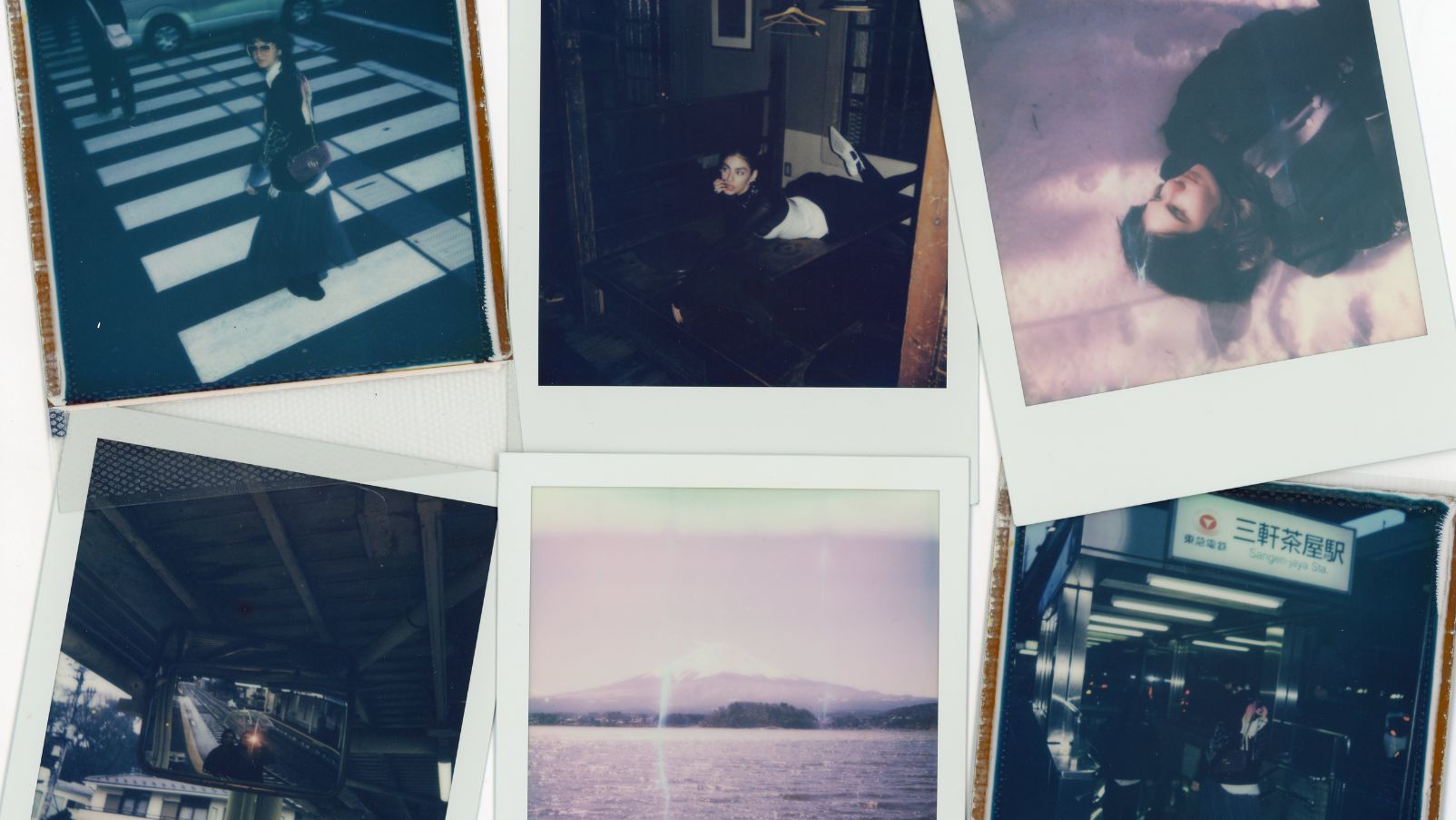
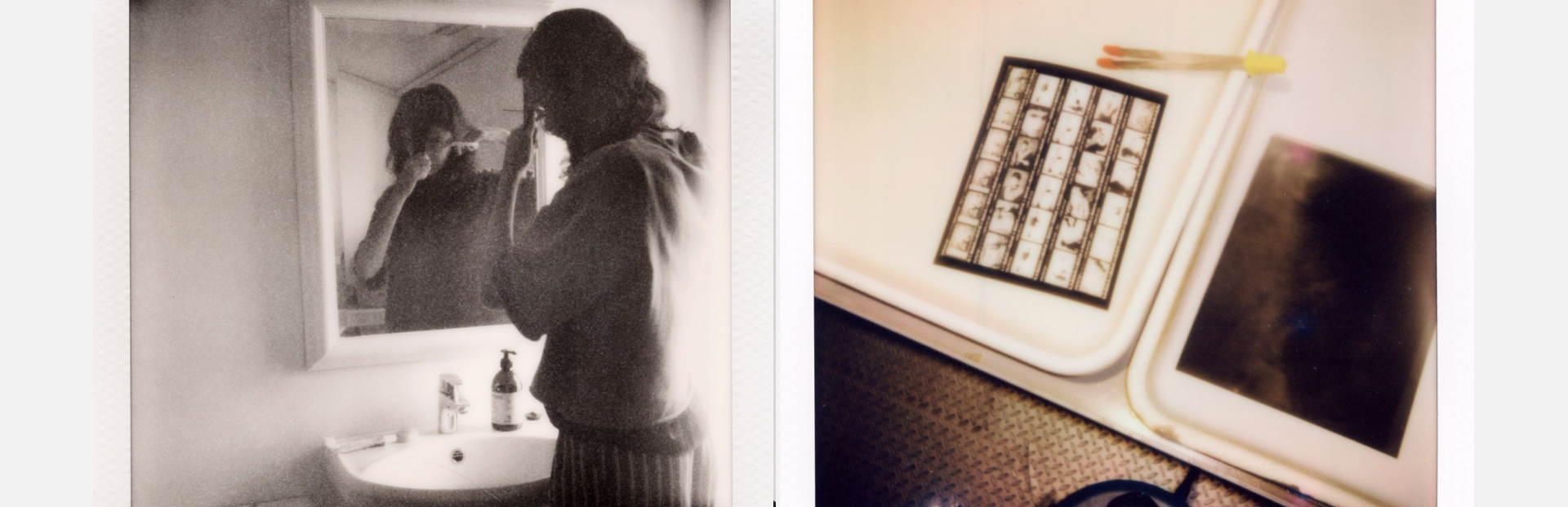
Polaroids taken by Gabi Lisboa
Time does not let itself be seen. But it can be felt, carried, imagined, crossed. It is not just a line that unfolds. It is also a density that settles onto things, a rhythm that turns light into presence, a vibration that moves through the body before becoming memory.
Not everything we live is remembered. And not every memory survives time. Perhaps that is why there is such urgency to fix moments, preserve traces, make experiences visible and tangible. Some choose to record time not to control it, but to listen to it, to live it, to hold it close. Not in the sense of archiving, but of keeping it near. On the wall, in the hand, in the gaze.
When the image forms in an unpredictable way, when light leaves marks the naked eye cannot catch, when the process demands slowness and direct manipulation, it is time itself that begins to reveal. A time that can be folded into collages, react chemically in seconds, or stretch into long exposures. A time that does not organize itself into folders, but into feelings. That does not follow logic, but responds to gesture.
It is in this space between the invisible and the sensitive, between what passes and what stays, that time becomes embodied.
Gabi Lisboa
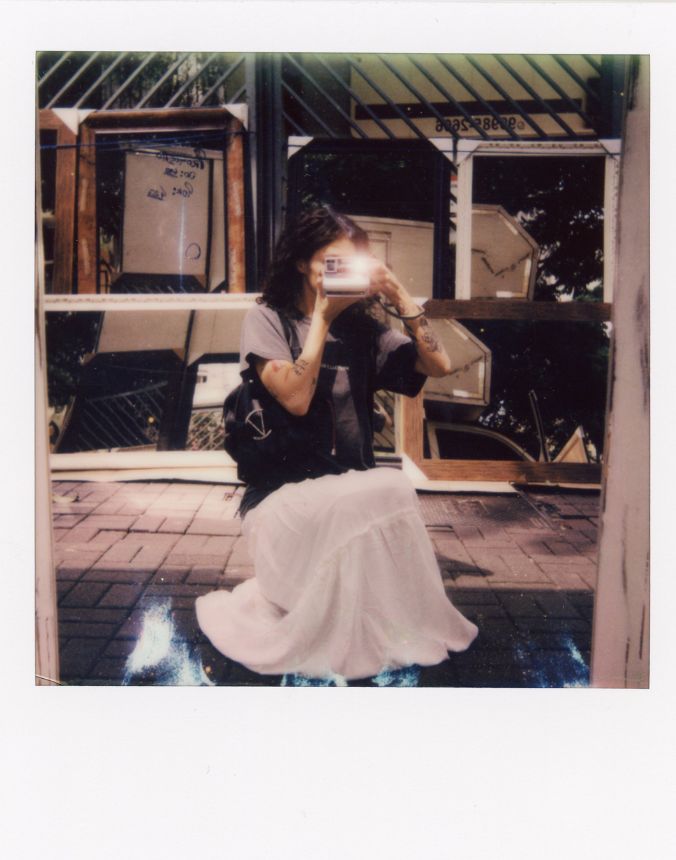
Holding memory with your hands. That is what guides Gabi Lisboa’s process. The image is not just what you see, but what you can touch, manipulate, revisit. By choosing materials that require presence and accept flaws and interventions, she approaches a kind of gesture that does not seek perfection, but permanence.
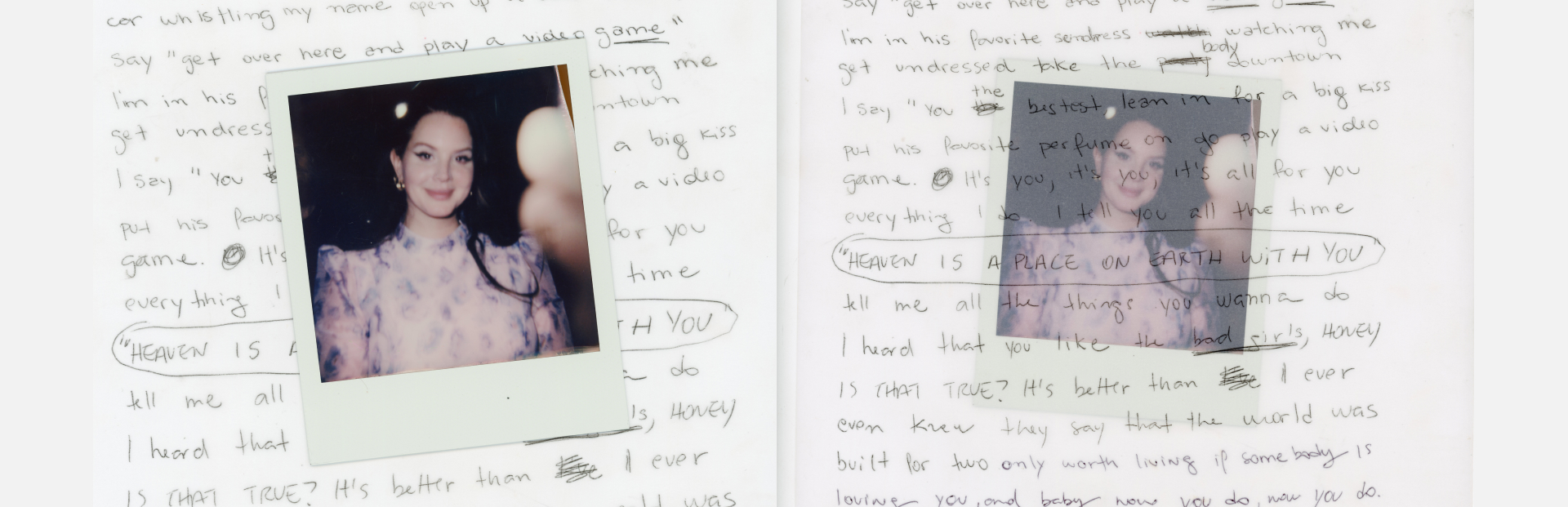
"What moves me is this idea of tactile memory. Being able to hold it, move it, look again and find something I hadn’t seen before. It’s like opening the same box of family photos and always discovering something new."
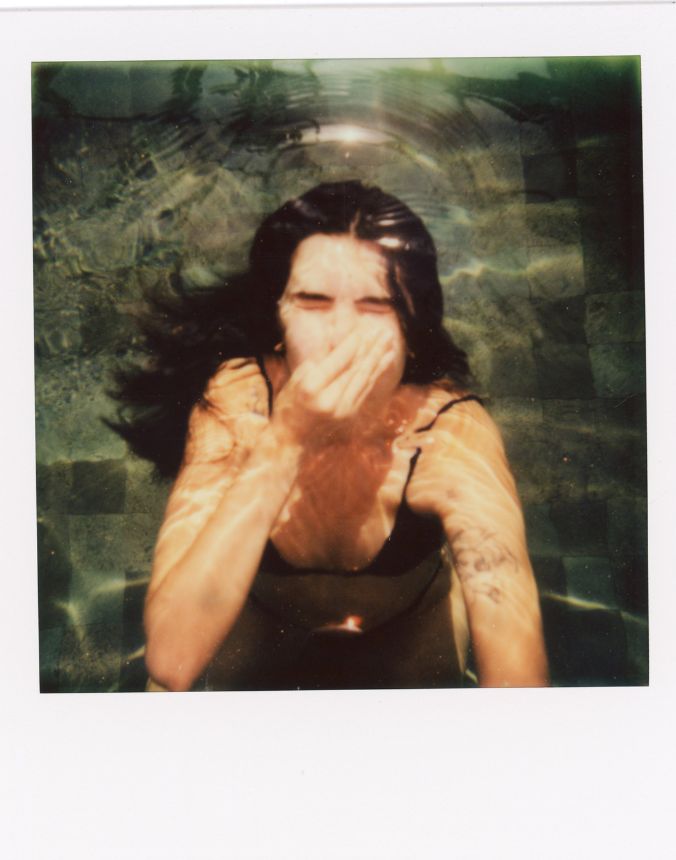
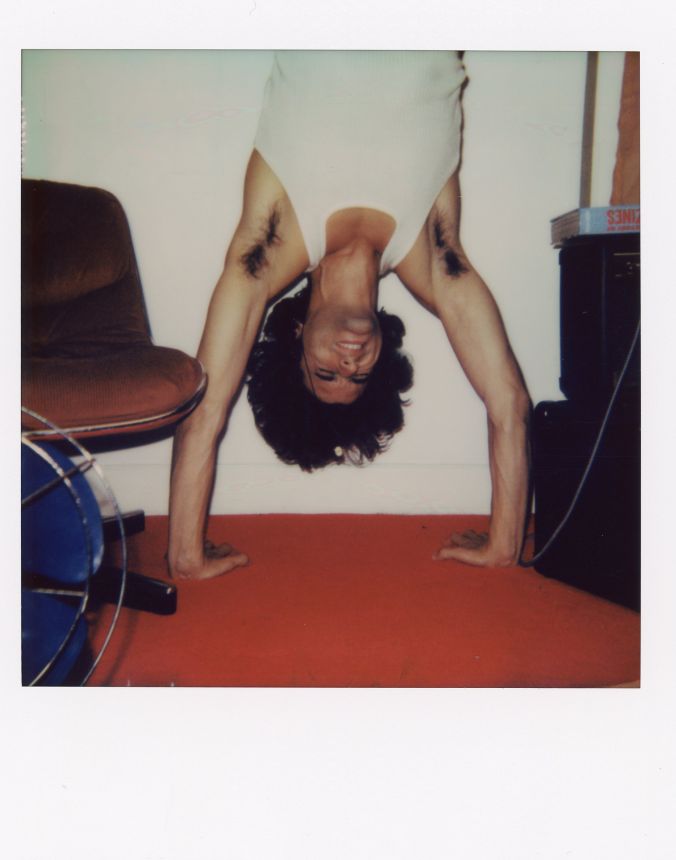
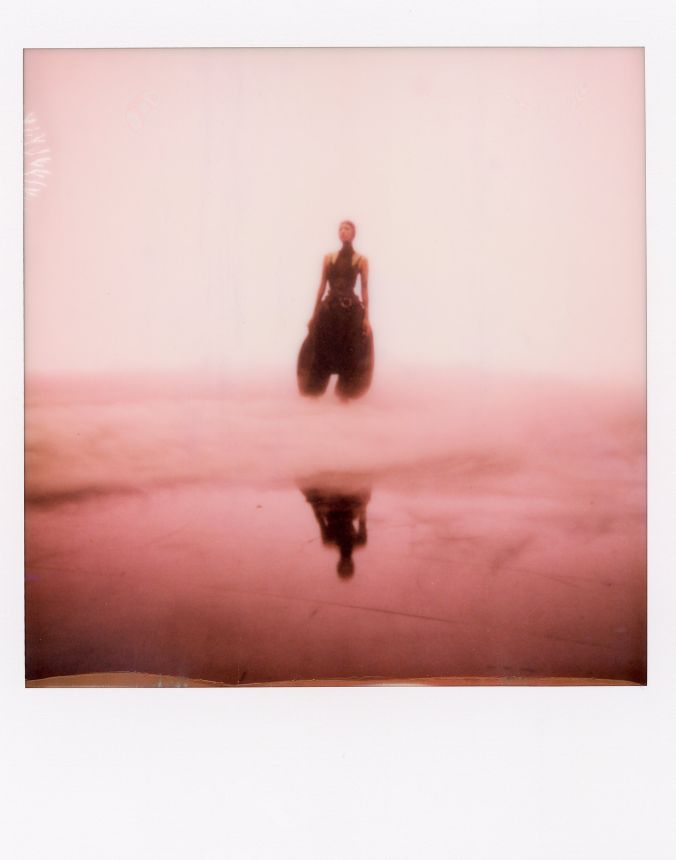
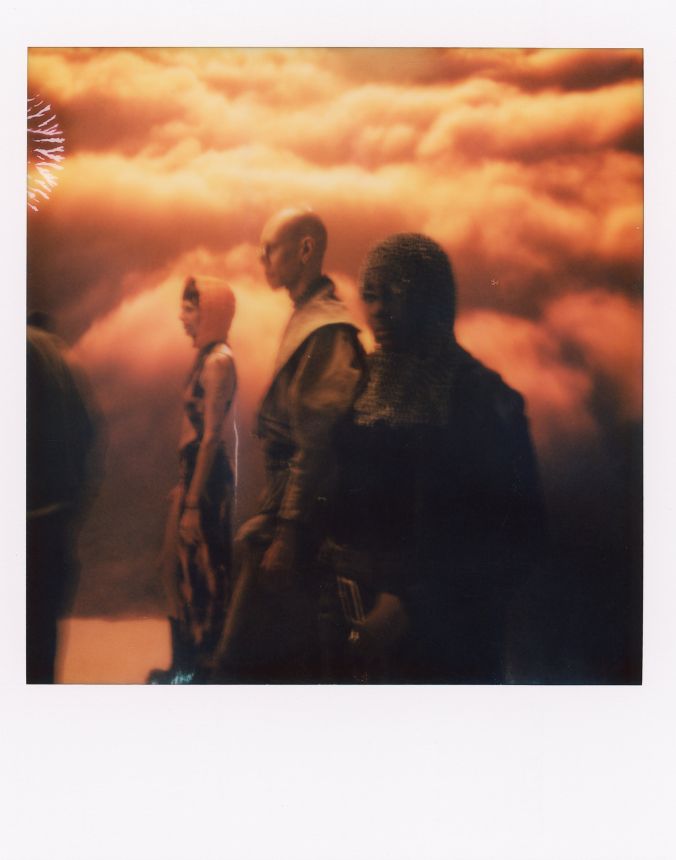
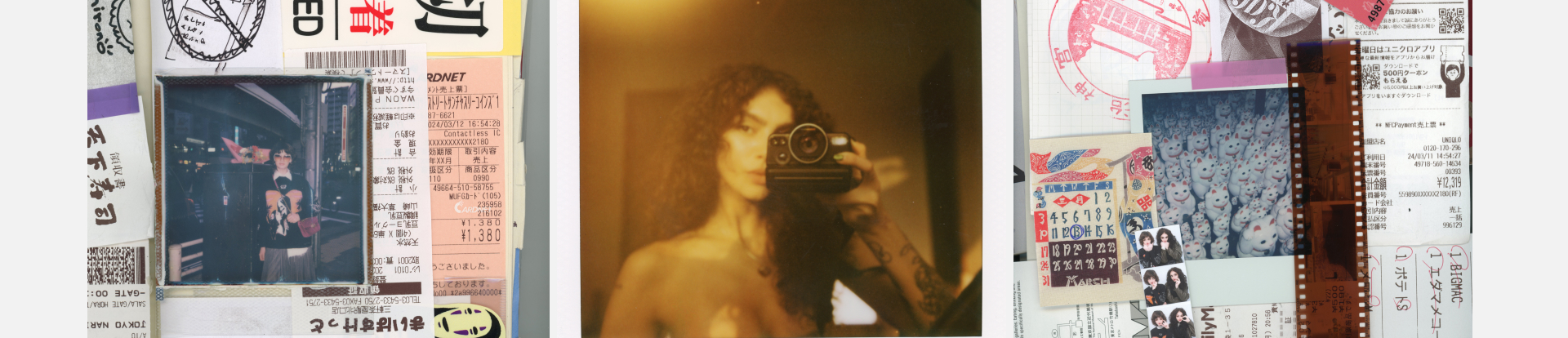
This memory is not abstract. It is built through the accumulation of small details: objects gathered by chance, collages made from leftovers, from what was thought to be lost. All of this returns in her work as a way to bring time closer to matter. There is an almost artisanal care in each composition, as if every photograph were a space where time keeps acting.
It is not about preserving a perfect moment, but allowing the image to keep living alongside the one who sees it.
Analícia Graça
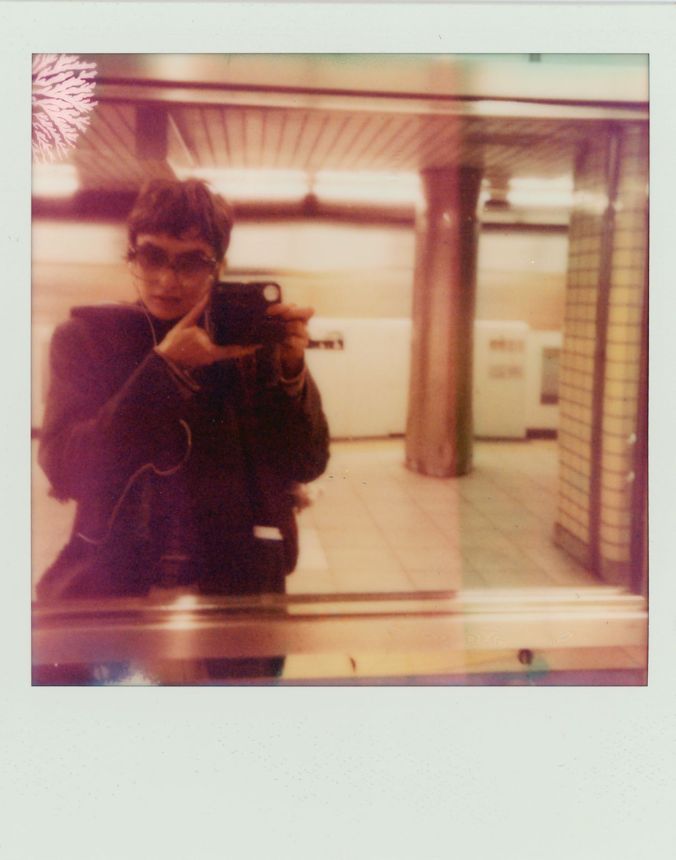
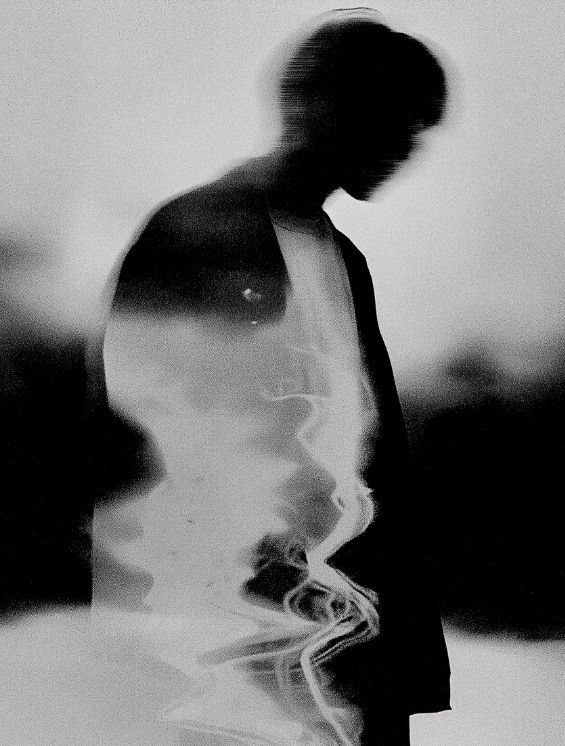
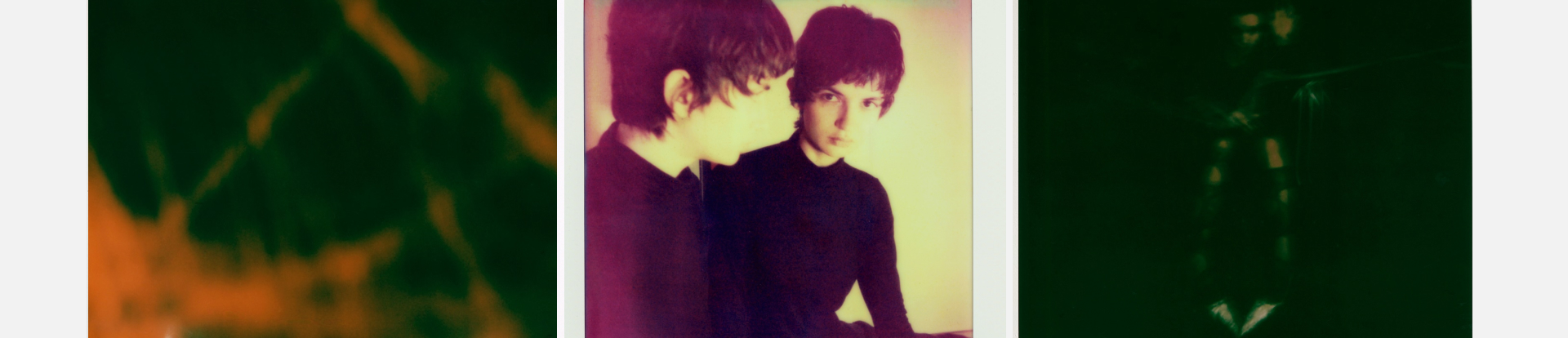
When the exposure stretches for seconds, the image does not freeze. It accumulates. It carries within it the trace of what passed, what moved, what was still unfolding. In this interval, time stops being measured in moments and starts to reveal itself as movement. As something ongoing.
In long-exposure photography, light is no longer just what strikes the object. It becomes presence, resonance. There is a difference between lighting something and allowing light to seem like it comes from within. That inversion is what transforms the image into more than a record. It starts to carry the imprint of what touched the world.
"Sometimes I have the feeling that it is the light emanating from the object. Not the one that hits and reflects, but the one that comes from it. That has to do with time. And it has to do with memory too."
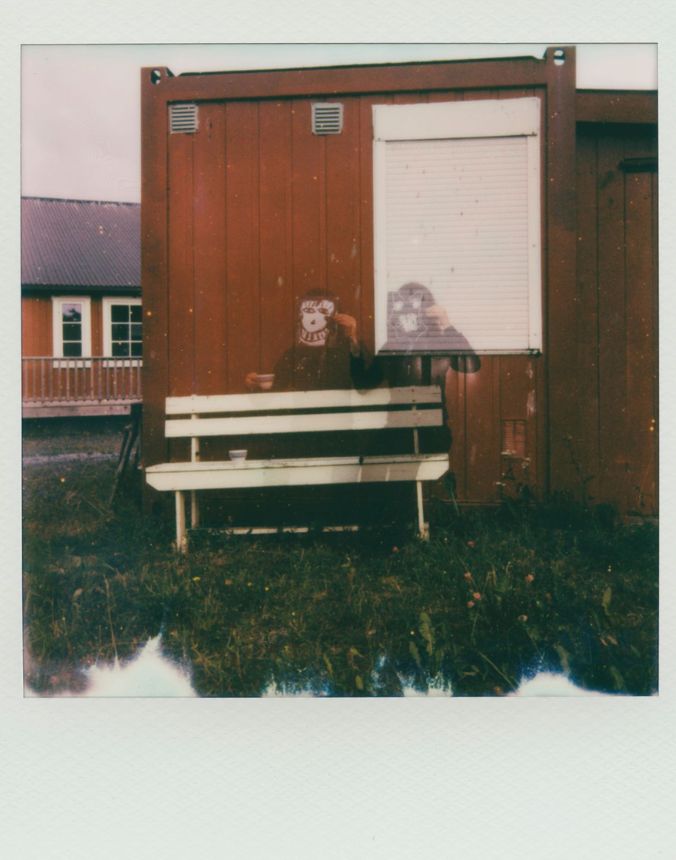
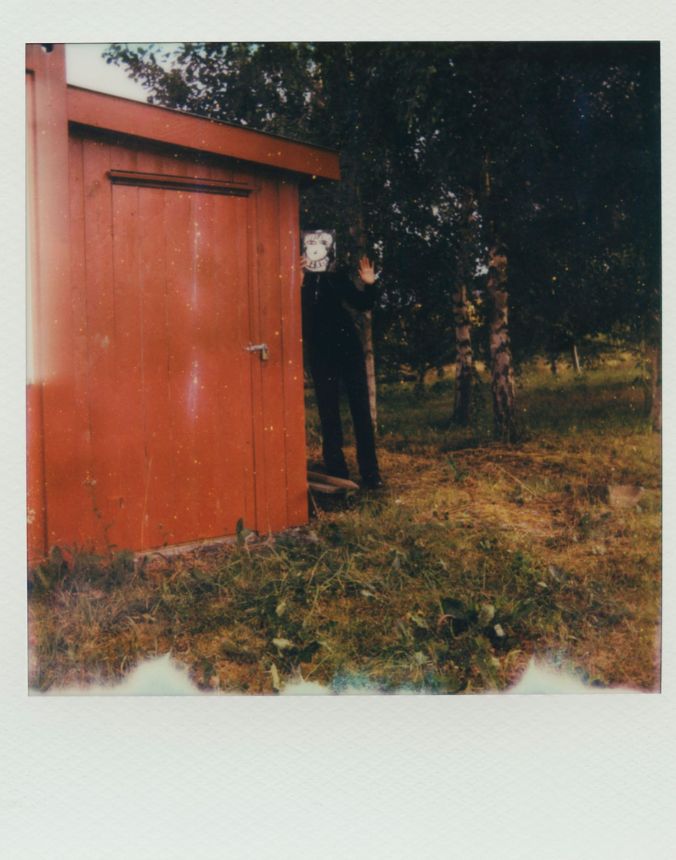
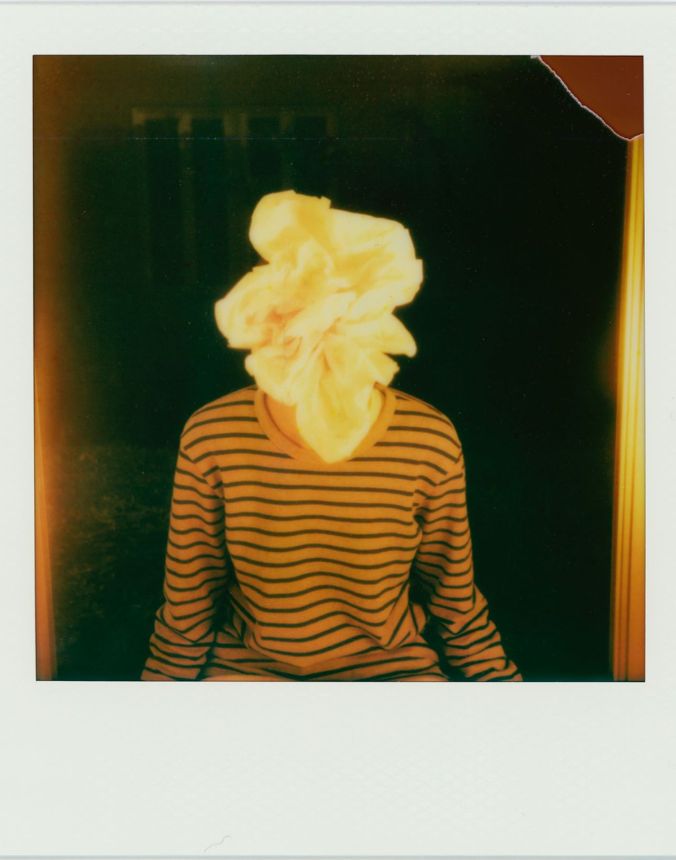
More than capturing a scene, Analicia reveals a shift. What is there is not only what is visible, but what stayed suspended, vibrating on the surface of the paper. A kind of time that does not count in seconds, but in signs of passage.
Amanda Aguiar

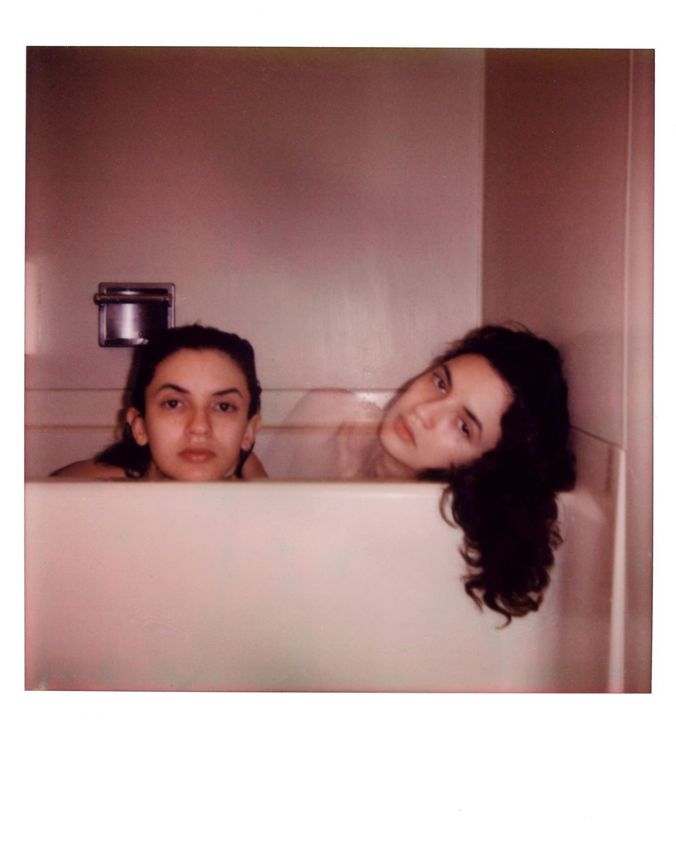
Holding something with your hands is different from saving it in a file. It is more intimate, more present, less likely to be forgotten or lost. There is a tenderness in turning certain moments into physical images, especially when it involves people who matter, affections that memory alone cannot contain.
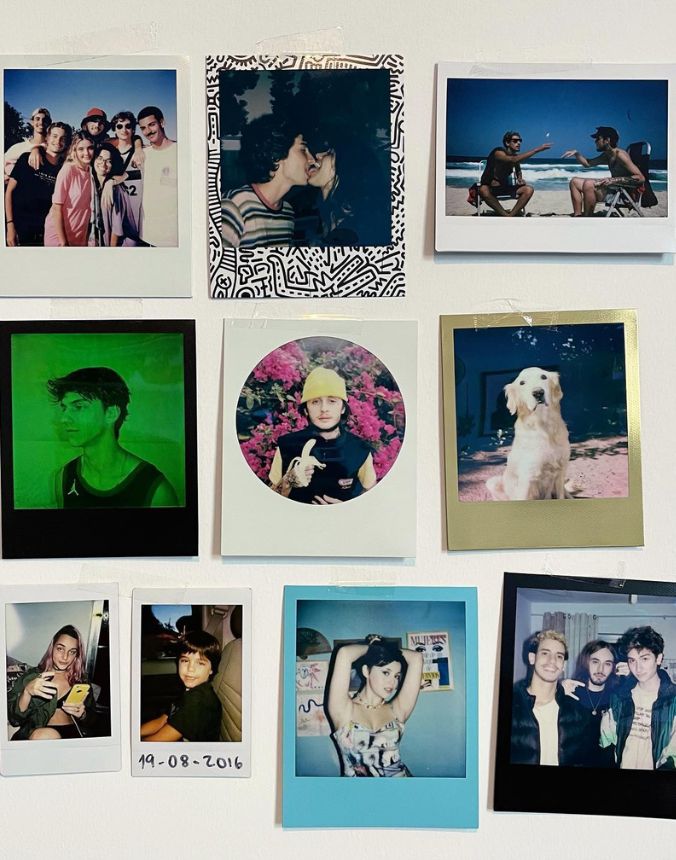

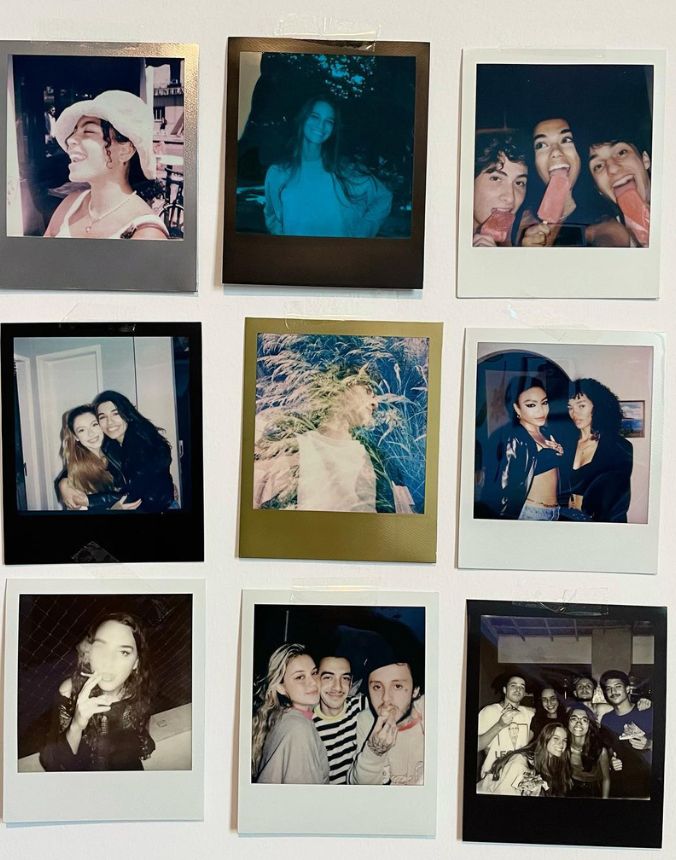
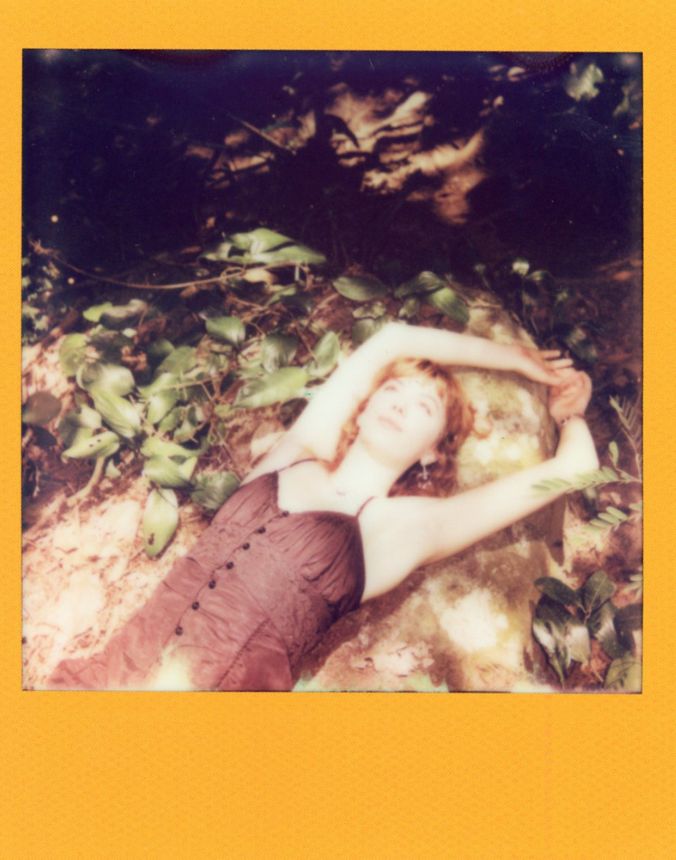
"I have always liked photographing people who really matter to me. People I will look at in the future and see who I loved, right there, held in that moment."
What is in the image was not staged or planned. The light might fail, the colors might shift. And even so, it holds value. Because what matters is having the moment in sight, just as it happened. What comes out of the camera cannot be edited, hidden, or redone. It simply appears. And stays.
There is also joy in the act of showing. Handing the photo to the person just captured, watching their reaction, sharing a laugh. Later, when these images make their way onto walls, they take on a new role. They start to inhabit the space of daily life. In that sense, memory is not about holding onto the past. It is about keeping someone close in the present.
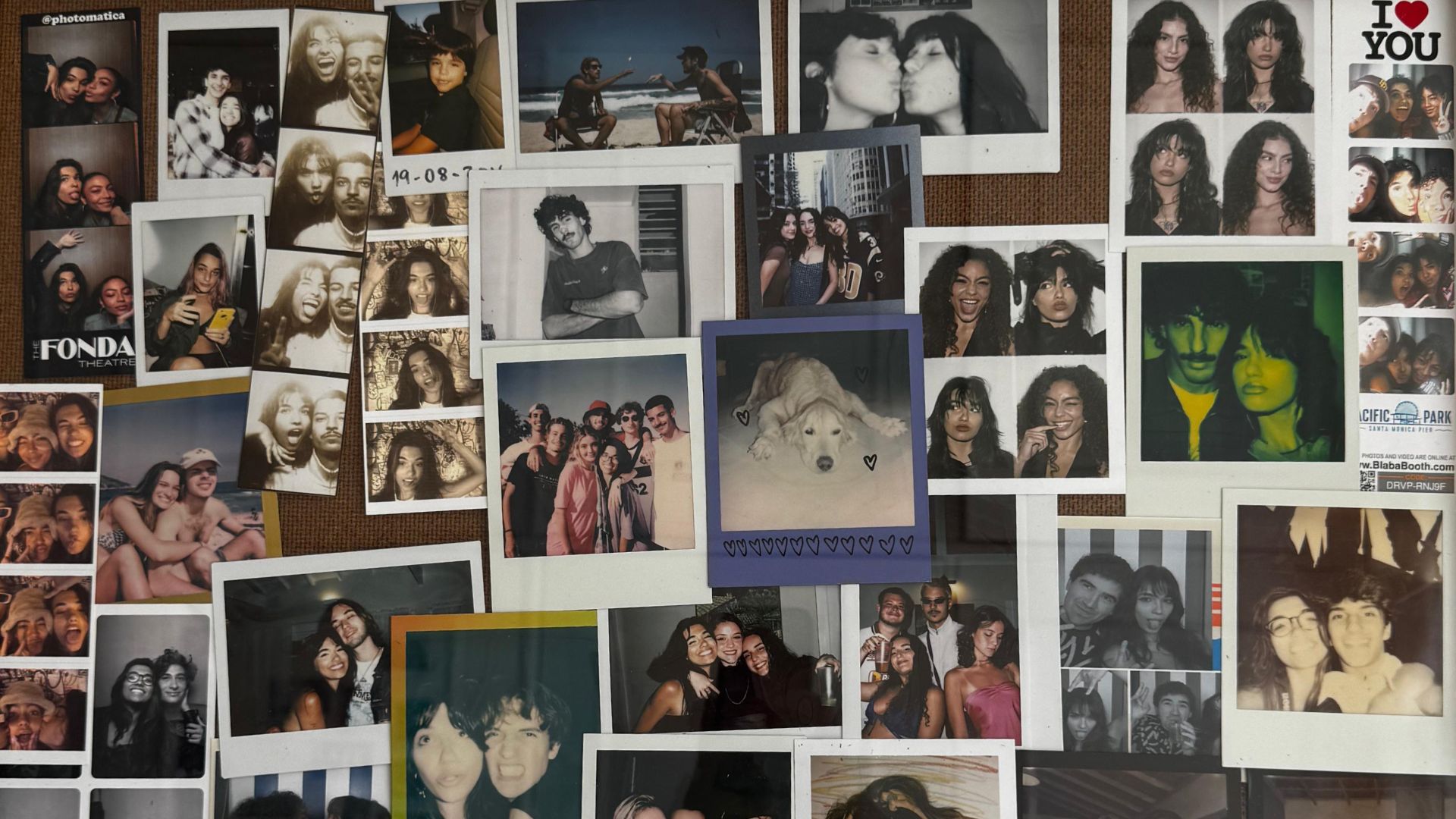
Recording time is not about freezing a perfect instant. It is about allowing it to keep acting in the light that stretches on, in the gestures that remain, in the memories that resist being forgotten. Each image comes from an involvement with what is present, even if only briefly. And it is in that involvement that time stops being abstract and gains shape, substance, and continuity.